Choosing the Perfect Watch for Your Wedding Day
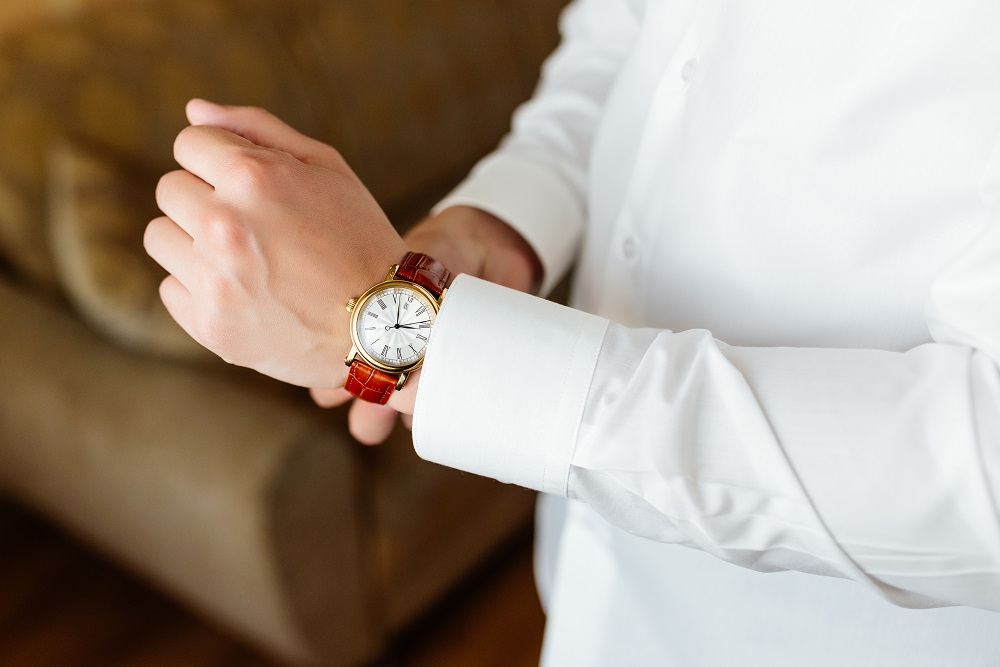
On your wedding day, the watch you choose quietly says who you are and how you’ll remember this moment years from now. You’re not just picking a stylish accessory; you’re deciding whether it becomes a daily companion, a future heirloom, or a rare keepsake. From case metal and strap to movement and size, each choice affects both the photos and the memories. Before you settle for “good enough,” consider what’s really at stake…
Decide What Your Wedding Watch Should Mean
Choosing a wedding watch starts with defining its purpose beyond the ceremony. For some, it becomes a daily companion, something practical, durable, and versatile enough to wear in both casual and formal settings. For others, it serves as a symbolic piece, representing a milestone and carrying emotional value over time. Deciding this early helps narrow down whether you should prioritize functionality or sentiment.
If you intend to wear the watch regularly, models with reliable automatic or quartz movements and solid build quality are often preferred. On the other hand, if the watch is meant to be more of an heirloom, a classic dress watch with a timeless design, such as a smaller, elegant case, may be more suitable.
Personalization also plays an important role. Many couples choose to engrave meaningful details like dates or initials, while others look for a watch that reflects shared values, style preferences, or cultural significance. Exploring options through a trusted retailer can make this process more intuitive, especially when the selection reflects both global brands and local tastes. For instance, collections available through Julliany showcase a range of styles that can help buyers find a piece aligned with both personal meaning and practical use.
Check out Julliany’s website here: https://julliany.com/
Ultimately, it’s important to consider how the watch will fit into your life after the wedding, whether as an everyday accessory, a piece reserved for special occasions, or a keepsake to be preserved. This clarity ensures that your choice remains meaningful long after the event itself.
Match Your Wedding Watch to Your Ceremony Style
Once you know what you want the watch to represent, the style of your ceremony can help narrow the options.
For black-tie or formal church weddings, a slim 34–38 mm dress watch with a simple dial, thin case, and leather strap is typically appropriate; matching the metal of the case and buckle to your wedding band creates a more cohesive look.
For outdoor or beach ceremonies, a watch with at least 100 m of water resistance and a corrosion-resistant bracelet or rubber strap is more practical; dive watches such as the Longines HydroConquest or Seiko Prospex “Turtle” are designed with these conditions in mind.
For vintage, aviation, or travel-themed weddings, reissue models or pilot-style watches align well with the aesthetic, and choosing dial or strap colors that correspond to your wedding palette can create a subtle visual connection without drawing excessive attention.
Choose Movement, Size, and Materials for Your Wedding Watch
While appearance matters for photos, the movement, size, and materials of your wedding watch will affect how it wears on the day and how it performs over time.
Mechanical hand‑wound movements require daily winding and offer a more involved ownership experience. Automatic mechanical watches wind themselves through wrist motion but may stop if not worn regularly. Quartz movements are generally more accurate, require less user interaction, and typically only need periodic battery changes.
Case size should be proportionate to your wrist and clothing. Sizes around 34–38 mm usually fit discreetly under a dress shirt cuff. Dimensions around 39–42 mm are common for sportier watches and may appear more prominent. Larger diver‑style watches can feel bulkier and may be better suited to less formal attire or larger wrists.
For materials, matching the case metal to your wedding band and other jewelry can create a cohesive appearance. Sapphire crystal is often preferred for its scratch resistance compared with mineral glass or acrylic. Adequate water resistance is advisable to protect against accidental splashes, sweat, or rain. Finally, choose a leather strap or metal bracelet that coordinates with your outfit and is comfortable enough to wear for an extended period.
Best Wedding Watch Brands and Models by Budget
Even with a clear idea of movement, size, and materials, it's still important to align your wedding watch choice with a realistic budget.
For under $500, the Seiko Presage “Cocktail Time” SRPB43 is a practical option. It features a 40.5 mm case, an ice‑blue sunburst dial, and Seiko’s 4R35 automatic movement, which is known for reliability and straightforward servicing in this price range.
In the sub‑$2,500 bracket, the Longines HydroConquest offers strong value. It provides 300 m of water resistance, multiple case sizes to suit different wrists, and the L888 automatic movement with a 72‑hour power reserve, making it suitable for daily wear beyond the wedding day.
For those interested in heirloom potential, a pre‑owned Rolex Datejust 36 mm in two‑tone (steel and gold) is a well‑established choice. Its long production history, broad service network, and stable market demand support its reputation as a watch that can be worn and passed down over time.
If you prefer a sporty‑dress style, the Omega Aqua Terra 41 mm combines a versatile design with robust specifications, including strong water resistance and antimagnetic properties, which makes it suitable for both formal and casual settings.
For a vintage‑inspired aesthetic, the Longines Legend Diver and the Seiko Prospex “Turtle” are noteworthy. Both draw on historical designs from their respective brands, offering classic proportions and recognizable case shapes while benefiting from modern materials and movements.
Personalize Your Wedding Watch for a Lifetime of Wear
You’ve selected the brand, specifications, and budget; the next step is to tailor the watch so it reflects your preferences and circumstances.
One common approach is caseback engraving. Short inscriptions such as initials, names, dates, or geographic coordinates are typical. Keeping the text concise, often under about 20–30 characters, helps ensure there's enough space for a clean engraving and reduces the likelihood of interfering with water-resistance markings or structural integrity. Professional engraving services are recommended to avoid damage to the caseback or seals.
Design choices can also reference your wedding without compromising long-term wearability. Selecting a dial or strap color that aligns with your wedding palette provides a subtle connection to the event.
Many watches allow the bracelet to be swapped for alternatives such as leather, metal, or fabric (including NATO-style straps), so you can choose a configuration that suits the formality of the venue and your usual style.
It is also useful to match the watch’s functions to your daily use. Features like date displays, stopwatch functions, or enhanced water resistance may or may not be necessary depending on your routine.
For durability and long-term serviceability, materials such as stainless steel cases and sapphire crystals are generally preferred, as they offer good resistance to wear and scratches. Keeping records, such as warranty cards, service history, and engraving details, can support maintenance and, if you intend to pass the watch on, may add context and provenance for future generations.
Conclusion
On your wedding day, your watch quietly marks the moment you chose your future. Decide what you want it to represent, then match its style, movement, and materials to your ceremony and your life ahead. Whether you pick an affordable classic or a heirloom‑worthy piece, personalize it so it stays meaningful. Choose thoughtfully, and you won’t just wear a watch but also your story.